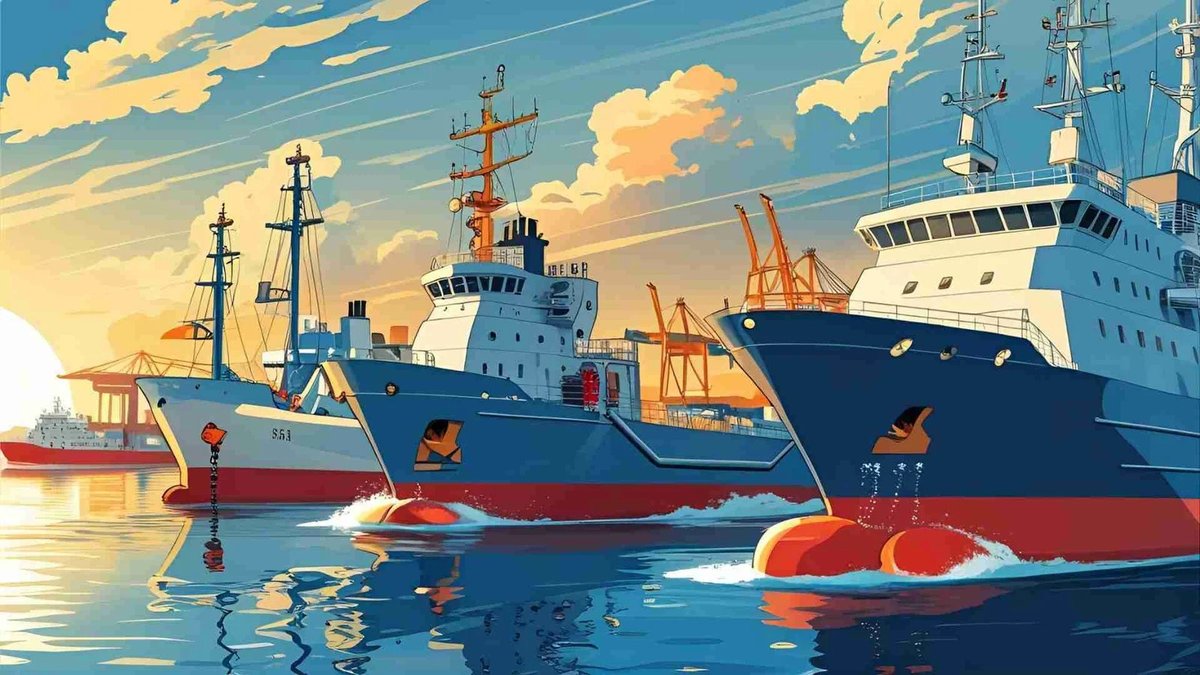
Our modern world hums, flies, and moves on the back of incredible feats of engineering. From the cars we drive to the electricity that powers our homes, the fundamental systems that convert energy into motion—our Propulsion and Energy Systems—are the silent, powerful architects of daily life. But this power comes at a cost. The combustion processes that fuel much of our existence are also primary contributors to climate change and air pollution, making the quest for cleaner, more efficient power sources one of the most urgent scientific endeavors of our time.
At a Glance: Navigating the Future of Power
- Combustion Dominates, But Faces Scrutiny: Fossil fuel combustion powers most of our transportation and electricity, but its environmental impact (CO2, NOx, soot) necessitates revolutionary changes.
- Aviation's Green Horizon: Commercial aircraft contribute significantly to global emissions, driving intense research into hybrid-electric, biofuels, batteries, and fuel cells to power future flights.
- Beyond the Engine: The search for sustainable energy extends to new energy conversion, storage, and propulsion technologies, demanding cross-disciplinary collaboration.
- Decades of Innovation Ahead: Expect significant shifts in propulsion and energy systems over the next 10-30 years, influenced by advanced research in materials, diagnostics, and modeling.
- A Life-Cycle View: Evaluating new technologies considers their full environmental impact, from raw material extraction to disposal.
The Unseen Engine of Modern Life
Every time you flip a switch, step onto a plane, or start your car, you engage with sophisticated propulsion and energy systems. For generations, these systems have largely relied on combustion—the rapid chemical reaction with oxygen that releases energy. Think of the internal combustion engine in your car, the jet engines propelling an airliner, or the gas turbines generating electricity at power plants. This method, while incredibly effective, primarily uses fossil fuels, unlocking ancient stores of carbon and releasing them into our atmosphere as carbon dioxide (CO2) and other pollutants.
Why Change is Inevitable: The Environmental Imperative
The science is clear: human activities, particularly fossil fuel combustion for electricity and transportation, are the leading cause of CO2 emissions. This global challenge has put immense pressure on engineers and scientists to rethink how we generate and use power. We're not just talking about incremental improvements; we're talking about fundamental shifts, driven by a global consensus that our energy future must be sustainable, low-emissions, and high-efficiency.
Princeton University's research in Propulsion and Energy Sciences highlights the urgency, focusing on developing combustion technologies that drastically cut emissions while maintaining or improving performance. It's a dual challenge: make existing systems cleaner and develop entirely new ones.
The Dominant Player: Combustion's Evolving Role
Despite the push for alternatives, combustion remains a foundational technology. The goal isn't necessarily to eliminate it entirely overnight but to revolutionize it. Research here is multifaceted:
- Cleaner Fuels: Exploring fundamental chemistry for both fossil-derived fuels and, increasingly, bio-derived fuels. The aim is to understand how these fuels burn at a molecular level to optimize efficiency and minimize pollutants.
- Pollutant Reduction: Intensive modeling and experimental work target specific emissions like nitrogen oxides (NOx) and soot. These aren't just greenhouse gases; they're also harmful to human health.
- Advanced Combustion Techniques: Scientists are experimenting with novel methods like:
- Low-temperature combustion: Burning fuel at lower temperatures can reduce NOx formation.
- Plasma-assisted combustion: Using plasma to enhance ignition and stabilize flames, making combustion more efficient and complete.
- Spray/droplet and high-pressure combustion: Crucial for improving fuel-air mixing and combustion intensity in engines.
- Turbulent combustion: Understanding how turbulence affects flame propagation is vital for designing more stable and efficient engines across various applications, from gas turbines to rockets.
These efforts involve sophisticated experimental work, often employing advanced laser diagnostics to "see" exactly what's happening inside a combustion chamber, alongside powerful computational modeling that simulates multi-scale, multi-physics processes. The applications are broad: from flexible stationary gas turbines to next-generation aviation engines, diesel and gasoline engines, and even advanced rocket propulsion systems and scramjets for hypersonic flight.
Aviation's Urgent Call: Flying Cleaner, Further
Aviation, while a smaller contributor than other sectors, accounts for approximately 2.0 to 2.5 percent of total global annual CO2 emissions. This might seem modest, but the projected growth in air travel means this figure could swell without intervention. The National Academies emphasize that research in commercial aircraft propulsion and energy systems is "urgent" due to potential legislation, the long lead time for new aviation technology (often 10-30 years), and the persistent impact of global CO2.
The focus is squarely on large commercial aircraft (100+ passengers), which represent over 90 percent of global commercial aircraft emissions. Reducing aviation's climate impact requires both improving existing technologies and pioneering completely new ones.
The National Research Agenda for Cleaner Skies:
An ad hoc committee has been tasked with developing a national research agenda for aviation, looking at advancements that can be introduced within 10 to 30 years. This isn't just about tweaking existing jet engines; it's about revolutionary change:
- Hybrid-Electric Propulsion: Imagine an aircraft powered by a combination of jet fuel and electricity, much like a hybrid car. This approach could significantly improve fuel efficiency and reduce emissions, especially during takeoff and landing.
- Biofuels: Sustainable aviation fuels (SAFs) derived from biomass (plants, algae, waste products) offer a direct path to reducing life-cycle carbon emissions. The challenge lies in scaling production to meet demand without competing with food crops or causing deforestation.
- Batteries & Fuel Cells: While full battery-electric long-haul flights remain a distant goal due to energy density limitations, smaller regional aircraft or auxiliary power units could benefit from these technologies. Fuel cells, which convert hydrogen directly into electricity, offer zero-emission operation when powered by green hydrogen.
Integrating Future Tech:
The shift isn't just about new power sources; it's about how these systems integrate with the entire aircraft. Considerations include:
- Aircraft Configurations: New propulsion systems might demand radically different aircraft designs, impacting aerodynamics and structural weight.
- Airline Operational Models: How airlines operate, refuel, and maintain fleets will change.
- Infrastructure Integration: Airports will need new fueling (or charging) infrastructure for biofuels, hydrogen, or electric aircraft.
- Economic, Regulatory, and Policy Aspects: The transition will require significant investment, new safety regulations, and supportive government policies.
This comprehensive approach underscores the complexity. The committee defines life-cycle carbon emissions meticulously: from source to use for energy systems, and from production to disposal/recycling for vehicle and propulsion systems. This holistic view ensures that solutions genuinely reduce environmental impact across the board. As we envision future air travel, it's clear that the advancements in propulsion systems will fundamentally redefine what's possible, influencing designs from incremental improvements to entirely new concepts like those discussed when we Explore sixth-generation aircraft.
Beyond the Jet Engine: Diversifying Our Power Portfolio
While aviation presents a concentrated challenge, the broader field of propulsion and energy systems is exploring diverse paths:
- Alternative Energy Conversion: This goes beyond simple combustion. Think of advanced thermoelectrics, which convert heat directly into electricity, or improved solar energy conversion that could power specialized applications.
- Advanced Energy Storage: Batteries are the most obvious example, but research extends to supercapacitors, flywheels, and even new chemical storage methods that offer higher energy density and faster charging cycles.
- Novel Propulsion Technologies: For space exploration, the focus includes electric propulsion (ion thrusters), nuclear propulsion, and even speculative concepts like antimatter propulsion, pushing the boundaries of what's possible in the vacuum of space. On Earth, magnetic levitation (maglev) trains represent a different form of propulsion entirely.
These alternative approaches often require significant cross-departmental collaboration, bringing together physicists, chemists, materials scientists, and engineers to tackle challenges that no single discipline can solve alone.
The Research Frontier: What's Next in Propulsion and Energy
The current research landscape is a hive of activity, constantly pushing the envelope. The National Academies' report outlines a broad vision for low-carbon aviation, identifying promising propulsion and energy options alongside their technical, economic, and policy challenges. This isn't just academic; it's about prioritizing research projects that will enable these options to become reality.
Advanced Diagnostics & Modeling
The ability to "see" and predict complex physical phenomena is crucial. This means:
- Advanced Laser Diagnostics: Using sophisticated laser techniques to measure temperature, species concentration, and flow velocities inside engines or reactors, often in extreme conditions.
- Computational Efforts: Developing cutting-edge numerical algorithms and multi-scale, multi-physics modeling to simulate everything from turbulent fluid flow to chemical reactions at atomic levels. These simulations help predict performance and optimize designs before costly physical prototypes are built.
Fuel Flexibility
The future demands systems that aren't tied to a single fuel source. Research is driving towards:
- Fuel-Flexible Stationary Gas Turbines: Power plants that can seamlessly switch between natural gas, hydrogen, or biofuels as availability and economics dictate.
- Aviation Gas Turbines: Adapting current engines to run efficiently on increasing blends of sustainable aviation fuels (SAFs), and eventually on 100% SAF or even hydrogen.
Navigating the Road Ahead: Challenges and Opportunities
The transition to cleaner, more efficient propulsion and energy systems isn't a straight line. It's fraught with challenges but also bursting with opportunities.
- Technical Hurdles: Many promising technologies are still in their infancy. Achieving the necessary power density for electric aircraft, producing sustainable biofuels at scale, or safely storing hydrogen for widespread use are significant engineering feats.
- Economic Viability: New technologies must be cost-competitive with existing fossil fuel-based systems. This often requires initial investment and supportive policies to bridge the cost gap.
- Regulatory Frameworks: New safety standards, certification processes, and emission regulations will need to evolve to accommodate novel propulsion and energy solutions.
- Infrastructure Investment: Adapting global energy and transportation infrastructure—from power grids to airport fueling stations—is a massive undertaking that requires coordinated international effort.
- Policy Support: Government policies, research funding, and international agreements play a critical role in accelerating research, incentivizing adoption, and creating a level playing field for sustainable technologies.
Despite these hurdles, the opportunities are immense. Beyond mitigating climate change, this research promises more resilient energy systems, enhanced energy independence, and the creation of entirely new industries and jobs. It’s a race to innovate, not just for economic advantage, but for the health of our planet.
Charting a Course Towards a Powerful Future
The journey toward cleaner, more efficient Propulsion and Energy Systems is one of the defining scientific and engineering challenges of our era. It's a complex puzzle involving fundamental chemistry, advanced physics, sophisticated engineering, and nuanced policy. From the microscopic reactions within a combustion chamber to the global infrastructure supporting aviation, every piece matters.
For anyone looking to understand or contribute to this vital field, the message is clear: innovation is happening at an unprecedented pace. Staying informed about breakthroughs in materials science, energy storage, and propulsion design isn't just intellectually stimulating; it's essential for understanding the future of our planet. The pursuit of sustainable power isn't just about technology; it's about building a more resilient, healthier world for generations to come.