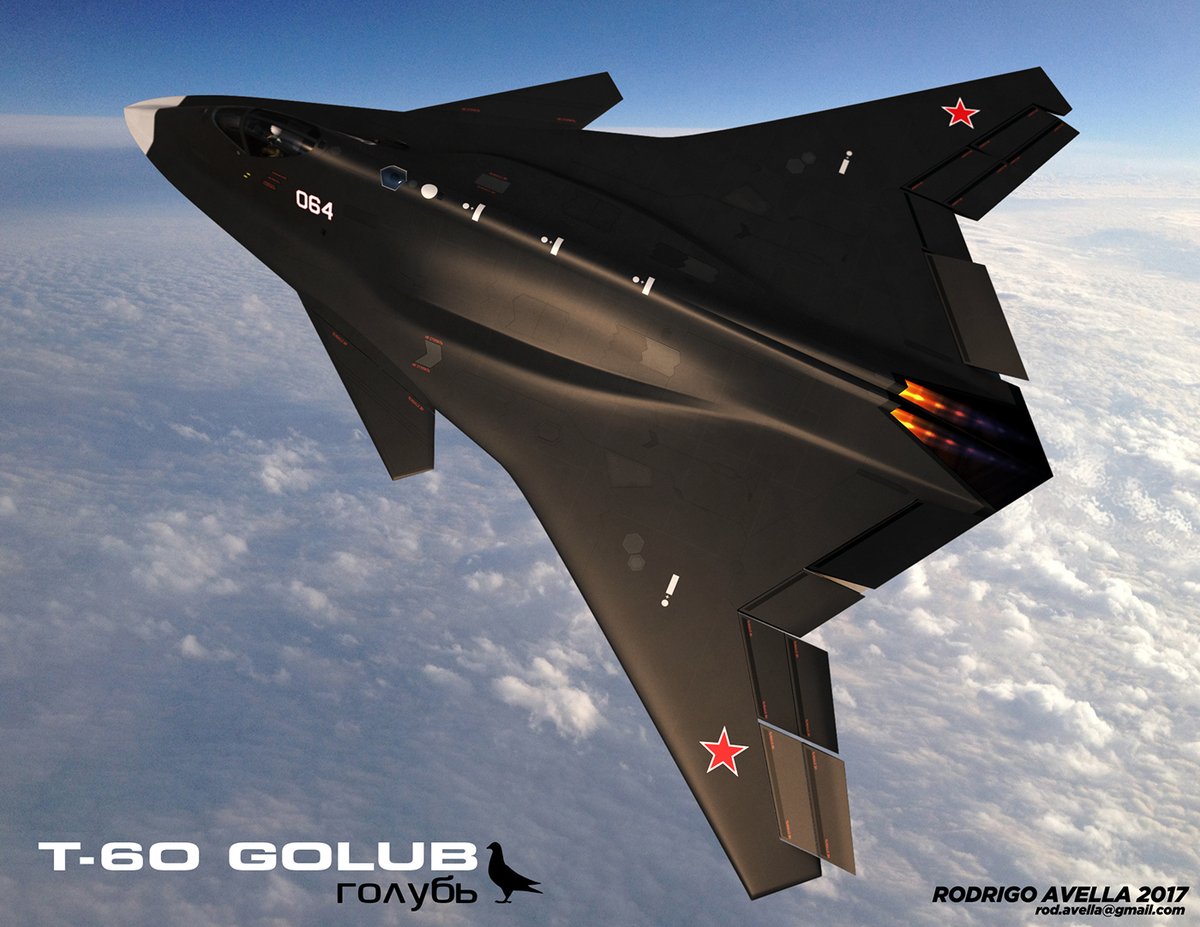
A new era of air power is dawning, pushing the boundaries of what's possible in military aviation and sparking an intense global arms race. As nations vie for technological supremacy, the development of sixth generation aircraft stands at the forefront, promising capabilities that will redefine aerial combat and strategic deterrence for decades to come. These conceptualized super-fighters aren't just incremental upgrades; they represent a revolutionary leap, blending cutting-edge stealth, artificial intelligence, and network-centric warfare into a single, formidable platform.
The journey to deploy these advanced machines, anticipated to enter service starting in the 2030s, is a complex and costly endeavor. It's a race not just for faster jets or more potent weapons, but for an entirely new philosophy of air dominance. To truly grasp the significance of this shift, it's essential to understand What are 6th Gen Aircraft and how they differentiate themselves from their predecessors.
Redefining Air Warfare Through Revolutionary Technology
Sixth-generation aircraft are being designed from the ground up to surpass the capabilities of even the most advanced fifth-generation fighters. Their core characteristics paint a picture of unrivaled sophistication and adaptability on the future battlefield. From their very architecture to the way they interact with their environment and human pilots, these jets will set new standards.
Stealth and Range Beyond Imagination
At the heart of sixth-generation design is an evolution of stealth technology, featuring even more advanced airframes engineered for minimal radar cross-sections across a broader spectrum of frequencies. This enhanced invisibility will be paired with significantly increased range, allowing these aircraft to operate deep within contested airspace and engage targets with beyond-visual-range (BVR) weapons, effectively moving the engagement zone further from the adversary.
The Rise of Intelligent and Adaptable Platforms
Perhaps one of the most transformative features is their "optionally manned" capability. Future pilots will have the flexibility to fly the aircraft themselves, control it remotely, or even deploy it in a fully AI-controlled mode, facilitating advanced manned-unmanned teaming (MUM-T) operations. This flexibility allows for mission profiles ranging from high-risk penetration to long-duration reconnaissance, ensuring the human element is leveraged where it matters most, while AI handles the monotonous or extremely dangerous tasks.
A Digital Ecosystem for Dominance
The digital backbone of these aircraft will be unparalleled. They will boast high-capacity networking, sophisticated artificial intelligence (AI), and advanced data fusion capabilities, turning raw battlefield information into immediate, actionable intelligence. Cyber warfare tools will be integrated directly into their operational scope, enabling attacks on enemy networks from the air. This robust digital capability allows for rapid data-to-decision processes and enhances battlefield command, control, and communications (C3). Enhanced human-systems integration will immerse pilots in virtual cockpits via helmet-mounted displays, providing 360-degree vision and AI-enhanced battlefield awareness that borders on prescience.
Powering the Future: Propulsion and Directed Energy
Beneath their sleek, stealthy exteriors, these aircraft will be powered by advanced variable-cycle engines. These engines promise unparalleled efficiency during long-range cruise while delivering immense thrust when combat demands it. Beyond kinetic weapons, there's significant potential for integrating directed-energy weapons, such as laser close-in weapon systems, offering new defensive and offensive capabilities. Furthermore, their software architecture will strictly separate flight-critical operations from mission systems, enhancing resilience against cyber threats and system failures. For a deeper dive into these and other revolutionary features, Explore key technologies and innovations. Discover the complex engineering driving the next generation of air power.
The Global Race: Who's Leading the Charge?
The development of sixth-generation aircraft is not a solitary endeavor but a fiercely competitive global race, with several nations and multinational consortia investing heavily in conceptualization, design, and prototyping. Each program brings its own strategic priorities and technological approaches to the table, fueling an intense competition for air dominance.
Here’s a look at the key players and their ambitious programs:
United States: NGAD and F/A-XX
The U.S. has two major programs underway:
- USAF Next Generation Air Dominance (NGAD) Program: Launched in 2014 to eventually replace the F-22 Raptor, the USAF confirmed a prototype flew in September 2020 and selected the Boeing F-47 design in 2025. This program emphasizes extreme stealth, long range, supersonic speed, and a large payload, often implying a tailless design to counter low and high-frequency radars.
- USN F/A-XX Program: Aimed at replacing the F/A-18E/F Super Hornets, the Navy’s focus balances survivability with speed and payload for carrier operations. Both U.S. efforts prioritize AI as a pilot aid, non-GPS positioning-navigation-timing, and extensive data movement. Adaptive cycle engines are under development to provide optimal efficiency across the entire flight envelope.
China: J-36, J-50, and the Future J-XX
China is rapidly advancing, having reportedly test-flown two sixth-generation prototypes: the Chengdu J-36 (a trijet tailless flying wing, flown December 26, 2024) and the Shenyang J-50 (a cranked arrow configuration, flown December 20, 2024, though unconfirmed). A third tailless prototype spotted in August 2025 hints at further developments, possibly a loyal wingman drone or a carrier-based fighter. China’s program, which began pre-research in January 2019, targets exponential improvements in stealth, processing power, and sensing, aiming for fruition by 2035 with an open mission systems approach.
Europe: FCAS and GCAP
Europe is pursuing multiple multinational efforts:
- Future Combat Air System (FCAS): Germany, France, and Spain are jointly developing the Next-Generation Fighter (NGF) since 2017, intended to supersede the Dassault Rafale and Eurofighter Typhoon by 2040. It focuses on stealth, advanced avionics, situational awareness, electronic warfare, and novel effectors, including directed energy weapons.
- Global Combat Air Programme (GCAP): Formed in 2022 by the UK, Italy, and Japan, merging Japan's F-X project with the UK's Tempest. This program aims to replace existing Eurofighter and Mitsubishi F-2 fleets. Sweden is an observer, having recently confirmed idealization of its own future fighter project based on Saab JAS 39 Gripen technologies. The Tempest (UK) component specifically envisions advanced drone control, futuristic radar, and comprehensive data visualization.
Russia: Mikoyan PAK DP (MiG-41)
Russia's Mikoyan PAK DP (MiG-41) is under development as an interceptor to replace the MiG-31. While sometimes described as 5++ generation, it's considered to have six-generation characteristics, including advanced stealth, speeds exceeding Mach 4, and a hypersonic missile interceptor system. Likely pilotless, its development phase began in January 2021.
Other Notable Programs and Concepts
- India's HAL AMCA: India plans for its fifth-generation fighter to have an eventual sixth-generation upgrade path, with a roadmap including directed energy weapons, smart wingman concepts, and hypersonic weapons.
- Japan's Mitsubishi F-X: Now integrated into GCAP, this program initially proposed a larger, stealthy fighter ("Godzilla") with plasma stealth antenna, based on the earlier I3 fighter concept.
- Taiwan's T-5 Trainer: Though not a sixth-gen fighter itself, it is seen as a foundational step toward Taiwan developing its own advanced jet capabilities.
To understand the specific design philosophies and timelines for these cutting-edge projects, Explore sixth-gen programs and concepts in detail.
The Strategic Impact on Future Air Warfare
The introduction of sixth-generation aircraft will profoundly reshape military doctrines and the nature of conflict. These platforms are not merely combat vehicles; they are nodes in a vast, interconnected battlefield network. The emphasis on a "system of systems" approach means they will operate seamlessly with drones, ground sensors, naval assets, and non-kinetic anti-aircraft solutions. This integration creates a force multiplier, where individual aircraft enhance the capabilities of the entire network.
The very concept of air-to-air combat is evolving. While the image of a close-in dogfight has long captured the public imagination, future aerial engagements will feature less of this traditional close-quarters combat. Instead, beyond-visual-range missiles will remain crucial, delivered by platforms capable of operating unseen and unheard deep within enemy territory. The ability to manage vast amounts of data, deploy AI-driven tactics, and execute cyber warfare from the air will give these aircraft an unprecedented strategic advantage. Understanding how these developments will alter the landscape of military strategy is crucial for Understanding Air Warfares Strategic Impact.
The Road Ahead: Development Challenges and Immense Costs
Building these marvels of engineering is fraught with immense technical challenges and staggering financial investments. The complexities of developing advanced variable-cycle engines, integrating directed energy weapons, perfecting optionally manned capabilities, and creating robust, secure digital ecosystems are monumental. Each breakthrough requires years of research, development, and rigorous testing.
Furthermore, the shift towards digital engineering and model-based design, while accelerating development, still demands highly specialized expertise and infrastructure. Nations undertaking these projects are committing billions of dollars over decades, reflecting the strategic imperative of securing future air superiority. These costs include not just hardware, but also the continuous development of sophisticated software, training for new operational paradigms, and the establishment of resilient supply chains. To gain a full appreciation of these hurdles, Explore development challenges and costs associated with these ambitious programs.
Charting the Future of Aerial Dominance
The development of sixth-generation aircraft represents a pivotal moment in military history, pushing the boundaries of what's technologically feasible and strategically necessary. As the global arms race intensifies, these super-fighters promise to redefine air superiority, offering unprecedented stealth, connectivity, and artificial intelligence. The nations that successfully deploy these platforms first will gain a significant strategic advantage, shaping global power dynamics for decades to come. The future of air combat is not just approaching; it’s being built, piece by meticulously engineered piece, right now.